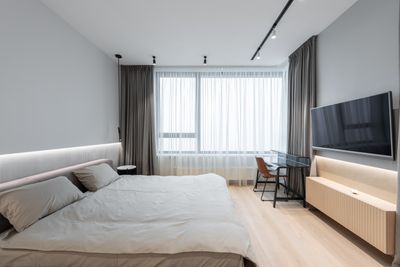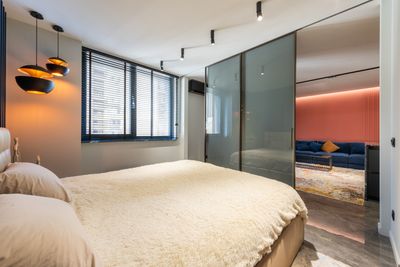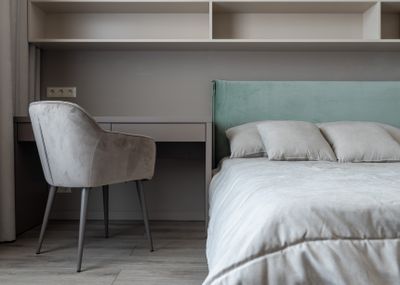
There's a version of this task that turns into a bigger project than it needs to be. The simpler starting point is bed placement away from drafts and light sources.
Bed placement away from drafts and light sources
Bed placement away from drafts and light sources matters more than it might seem at first. Getting this part right tends to save a second round of changes later.
Reducing screens
Consider reducing screens in the context of the rest of the room, not on its own. A choice that works in isolation can still throw off the balance of everything around it.
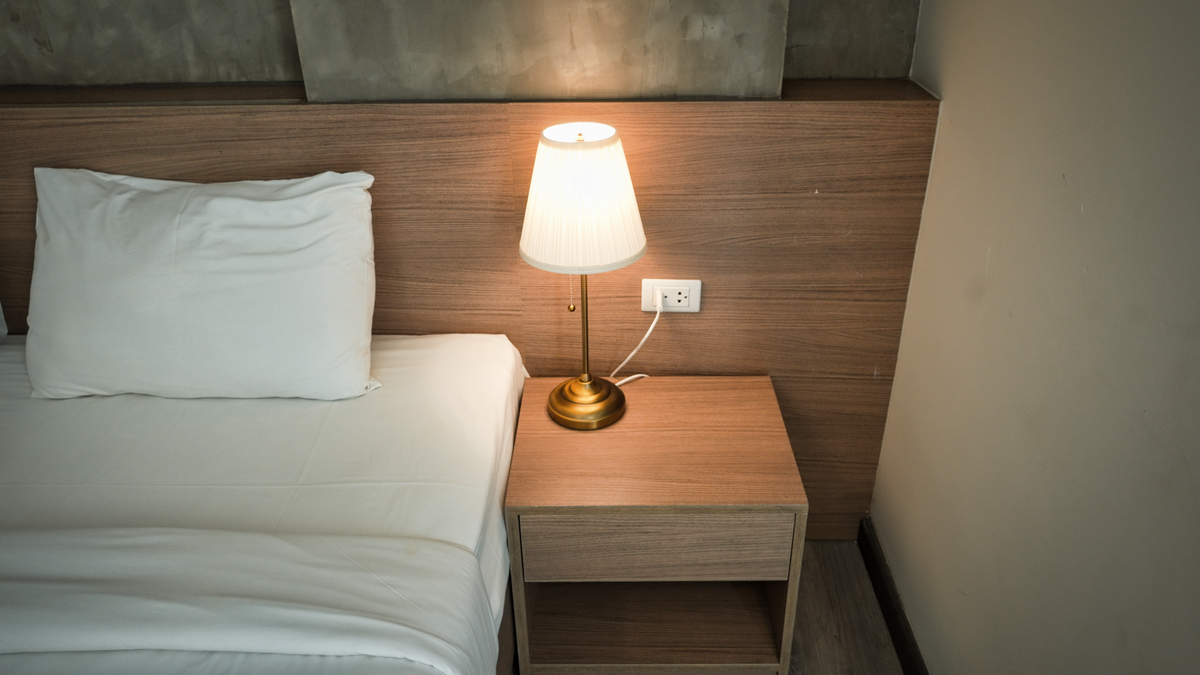
Minimal nightstand setup
Start by thinking about minimal nightstand setup. It's easy to skip this step and go straight to buying something, but the households that end up happiest with the result usually spend a little time here first.
Expert tip
Write down what isn't working before you start changing anything. It's easy to lose track of the original problem once new options are on the table.
Frequently asked questions
How often should this be revisited?
Households change — routines shift, people move in or out, seasons change what's practical — so it's worth a quick review every few months rather than treating it as a one-time fix.
Does this apply to rented homes as well as owned ones?
Most of the ideas here don't require permanent changes, so they translate reasonably well to a rental, though it's worth checking your lease before anything involving drilling or fixed installation.
What's the most common mistake people make here?
Skipping the planning step and going straight to a purchase or a big rearrangement, then having to undo part of it once the practical issues show up.